
From the legendary plains of the Serengeti to Zanzibar's turquoise shores — every destination tells a different story of Africa's magic.
Tanzania Destination Map
At a Glance
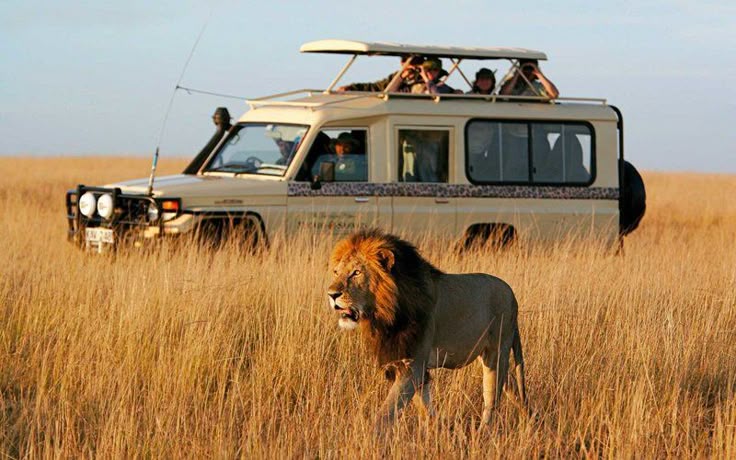
Tarangire National Park is a hidden gem of Tanzania’s safari circuit, known for its breathtaking landscapes, giant baobab trees, and one of the highest concentrations of elephants in East Africa. The park spans rolling savannahs, seasonal swamps, and the life-giving Tarangire River, which attracts wildlife year-round. The park is especially famous during the dry season (June to October), when thousands of animals migrate from surrounding areas in search of water. Visitors can expect close encounters with elephants, lions, leopards, giraffes, zebras, wildebeest, and a wide variety of bird species. Tarangire offers a quieter and more intimate safari experience, making it perfect for travelers seeking fewer crowds and rich wildlife encounters in a stunning natural setting.
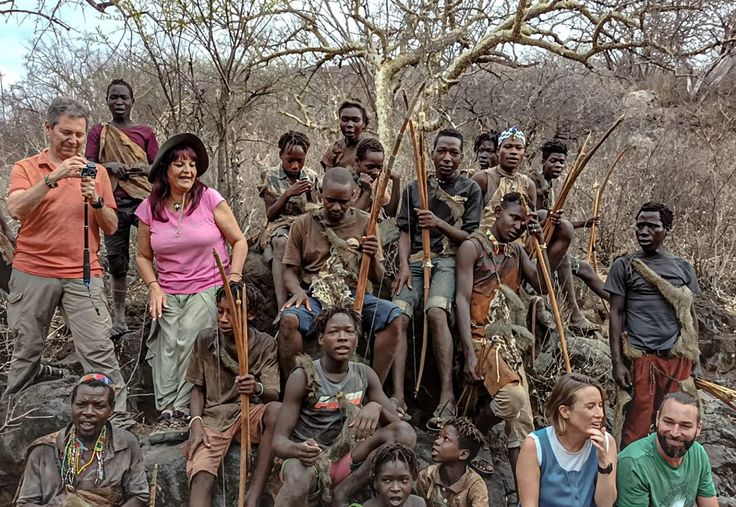
About Lake Eyasi Lake Eyasi is a seasonal soda lake located in the heart of Tanzania’s Great Rift Valley, southwest of the Ngorongoro Highlands. The lake changes dramatically throughout the year, often becoming a shimmering salt flat during the dry season. Unlike traditional wildlife parks, Lake Eyasi is famous for its deep cultural experiences. Visitors have the rare opportunity to interact with the Hadzabe tribe, one of the last remaining hunter-gatherer communities in Africa, and the Datoga people, known for their traditional blacksmithing skills and pastoral lifestyle. The surrounding landscape is beautifully untouched, featuring baobab trees, seasonal birdlife, and dramatic Rift Valley scenery. It is often combined with safaris to Ngorongoro Crater, Serengeti, and Lake Manyara.
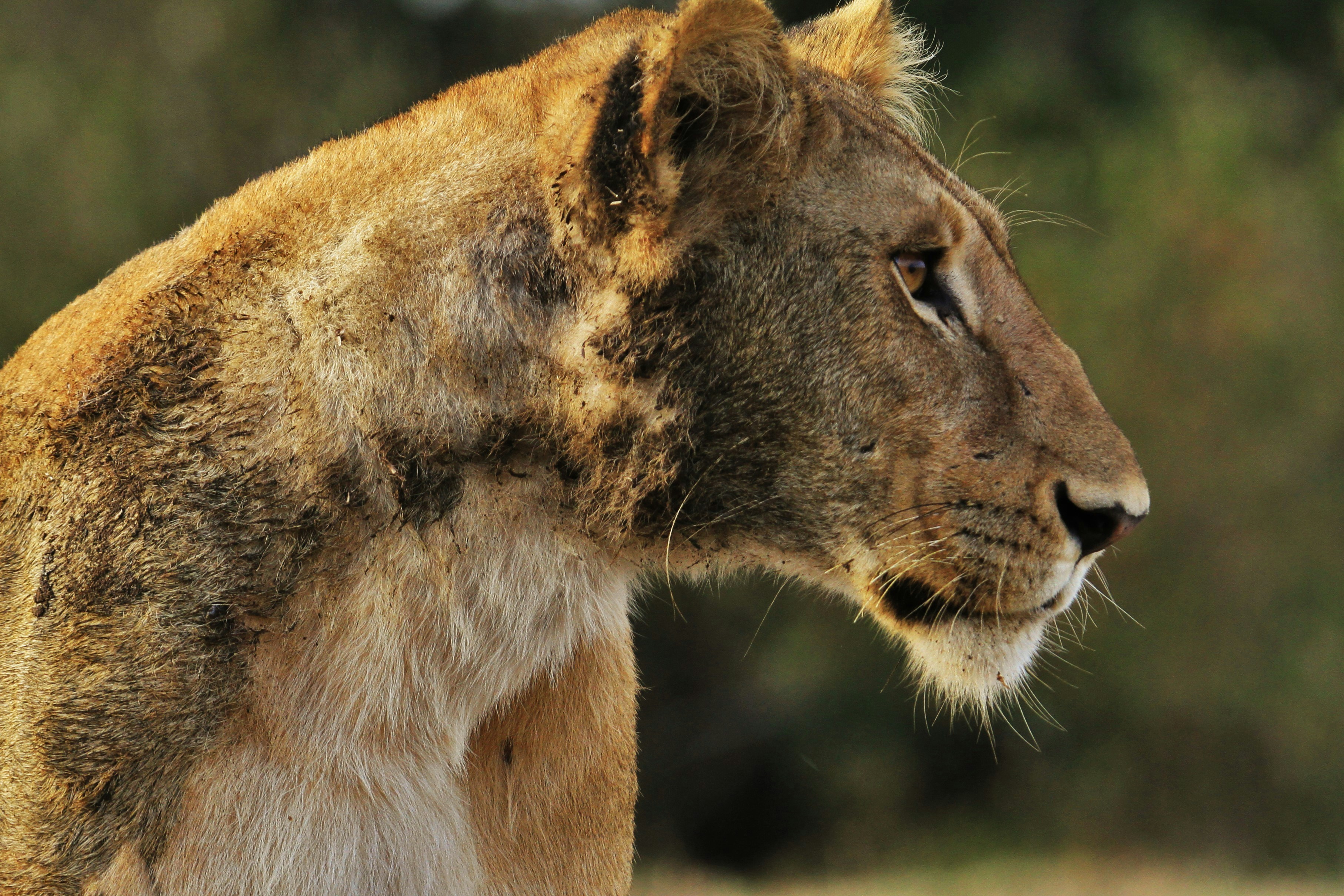
Lake Manyara is a shallow alkaline lake located in northern Tanzania within the Great Rift Valley and forms the centerpiece of Lake Manyara National Park. The lake's size varies throughout the year depending on rainfall, and it supports a rich ecosystem of waterbirds, including seasonal flamingos, as well as hippos and other wildlife. Surrounded by groundwater forests, woodlands, and open plains, Lake Manyara plays an important role in sustaining the park's biodiversity and offers visitors beautiful scenery, excellent birdwatching opportunities, and a chance to experience a variety of habitats within a relatively small area.
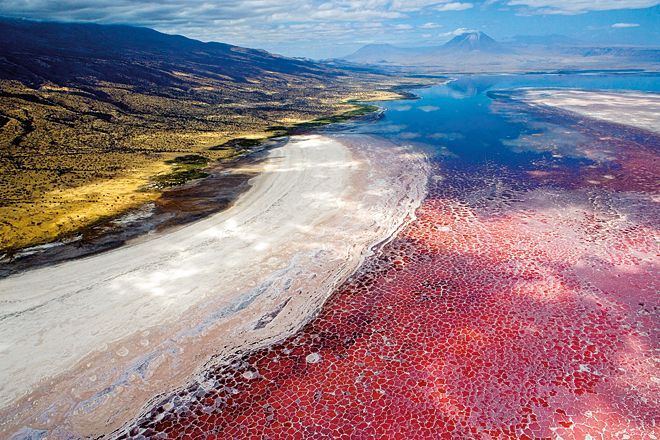
Lake Natron is a remote alkaline lake located in northern Tanzania within the Great Rift Valley, near the border with Kenya and beneath the active volcano Ol Doinyo Lengai. Known for its striking red and pink hues caused by mineral-rich waters and algae, the lake is one of the most important breeding grounds for lesser flamingos in the world. Unlike traditional safari destinations, Lake Natron is valued for its dramatic volcanic landscapes, unique ecosystems, birdlife, cultural interactions with the Maasai community, and outdoor activities such as hiking to Ngare Sero Waterfalls and climbing Ol Doinyo Lengai. The area offers visitors an opportunity to experience one of Tanzania’s most distinctive natural environments, combining geology, wildlife, culture, and scenery in a remote and largely untouched setting.
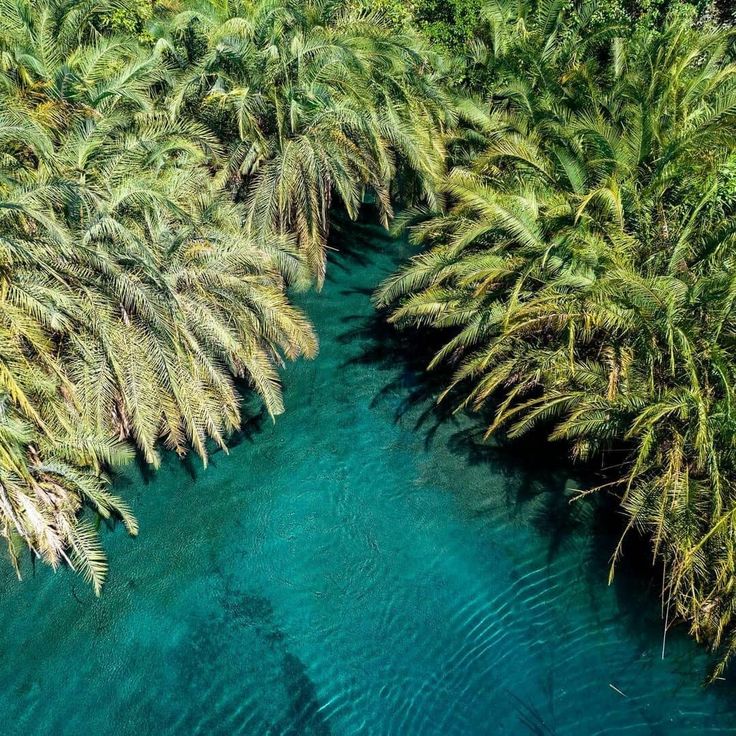
Kikuletwa Hot Springs (Chemka Hot Springs) is one of Tanzania’s most beautiful hidden gems, formed by underground geothermal activity that feeds crystal-clear warm water pools. The area is surrounded by fig and palm trees, creating a tropical paradise atmosphere ideal for relaxation and swimming. Visitors can enjoy swimming in the naturally warm waters, rope swings into the pools, and relaxing under shaded trees. The water is so clear that you can see the sandy bottom and small fish swimming around your feet. It is a popular stop for travelers exploring northern Tanzania safari routes. The drive to Kikuletwa passes through local villages and dry savannah landscapes, offering a glimpse into rural Tanzanian life before reaching this lush hidden oasis.
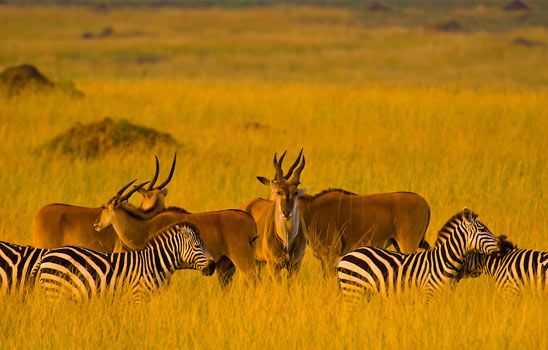
The Maasai Mara National Reserve is a world-renowned wildlife sanctuary forming part of the greater Serengeti ecosystem. It is home to an incredible concentration of wildlife including the Big Five, making it one of the best safari destinations in Africa. The reserve is most famous for the annual Great Migration, where millions of wildebeest, zebras, and gazelles cross from Serengeti into Maasai Mara in search of fresh grazing. This dramatic event attracts predators such as lions, cheetahs, and crocodiles, creating one of nature’s greatest spectacles. Visitors can enjoy game drives across endless golden savannahs, hot air balloon safaris at sunrise, and cultural visits to Maasai villages for an authentic cultural experience.
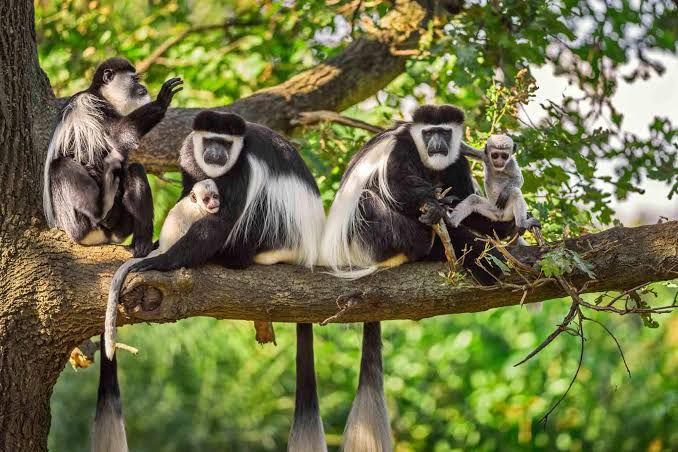
Arusha National Park is one of Tanzania’s most scenic and accessible parks, offering a unique blend of ecosystems including montane forest, alpine moorland, savannah plains, and volcanic craters. It is home to Mount Meru, the second-highest mountain in Tanzania and a popular trekking destination. Unlike larger parks, Arusha National Park offers a peaceful safari experience where visitors can enjoy walking safaris guided by armed rangers, canoeing on Momella Lakes, and close encounters with giraffes, buffaloes, zebras, and colobus monkeys. The park is also a great starting point for safaris to Serengeti, Ngorongoro, and other northern circuit destinations due to its close proximity to Arusha city.
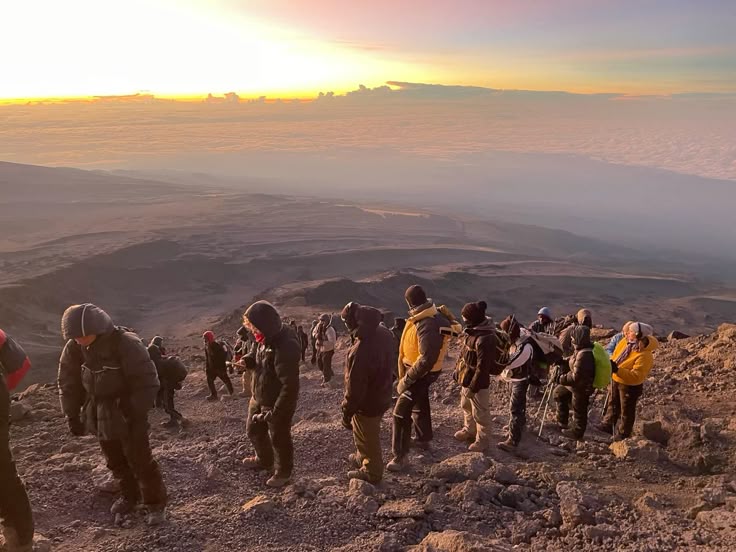
Mount Meru is an active stratovolcano situated in the heart of Arusha National Park. Standing at 4,566 meters above sea level, it is Tanzania's second-highest peak after Mount Kilimanjaro and offers one of the most scenic trekking experiences in East Africa. The climb takes hikers through diverse ecological zones, including lush rainforests, open heathlands, moorlands, and alpine deserts before reaching the dramatic summit at Socialist Peak. Along the lower slopes, trekkers often encounter giraffes, buffaloes, zebras, warthogs, and various monkey species. Unlike many mountain climbs, Mount Meru requires an armed ranger escort due to the presence of wildlife within the national park. The mountain is also considered one of the best acclimatization climbs for those planning to summit Mount Kilimanjaro. From the summit, climbers are rewarded with spectacular sunrise views over Mount Kilimanjaro, the Great Rift Valley, and the surrounding plains of northern Tanzania.
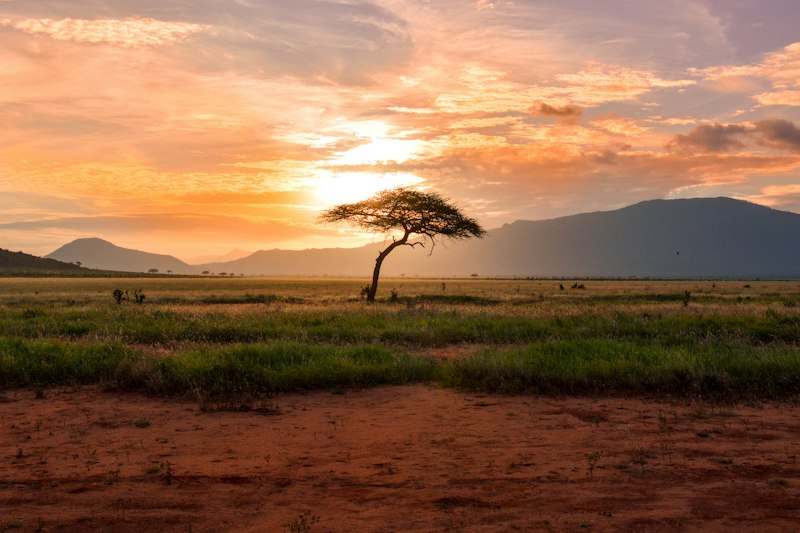
Serengeti National Park is Tanzania’s most iconic safari destination, famous for its endless golden plains and the Great Wildebeest Migration. It is home to one of the richest concentrations of wildlife in Africa. Visitors experience breathtaking game drives, predator action, and unforgettable African sunsets.
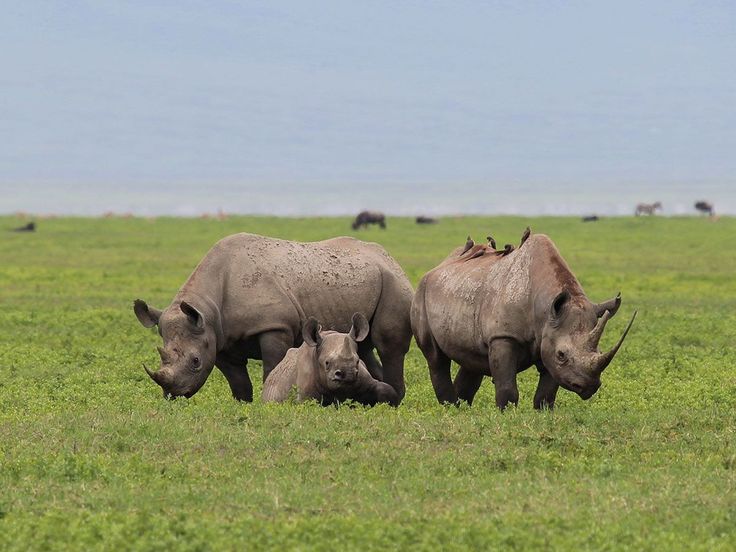
Ngorongoro Crater is the world's largest intact and unfilled volcanic caldera, spanning approximately 260 square kilometers. Located within the Ngorongoro Conservation Area, this UNESCO World Heritage Site is often referred to as Africa's "Garden of Eden" due to its exceptional wildlife density and stunning landscapes. The crater floor contains diverse habitats including grasslands, swamps, forests, and soda lakes that support more than 25,000 large animals year-round. Visitors have excellent opportunities to see lions, elephants, buffaloes, zebras, wildebeests, hyenas, and the endangered black rhino within a single game drive. Surrounded by dramatic crater walls rising over 600 meters above the floor, Ngorongoro offers spectacular viewpoints and some of the most rewarding safari experiences in Africa. The conservation area is also home to the Maasai people, who continue to live alongside wildlife in this unique multiple-land-use landscape.
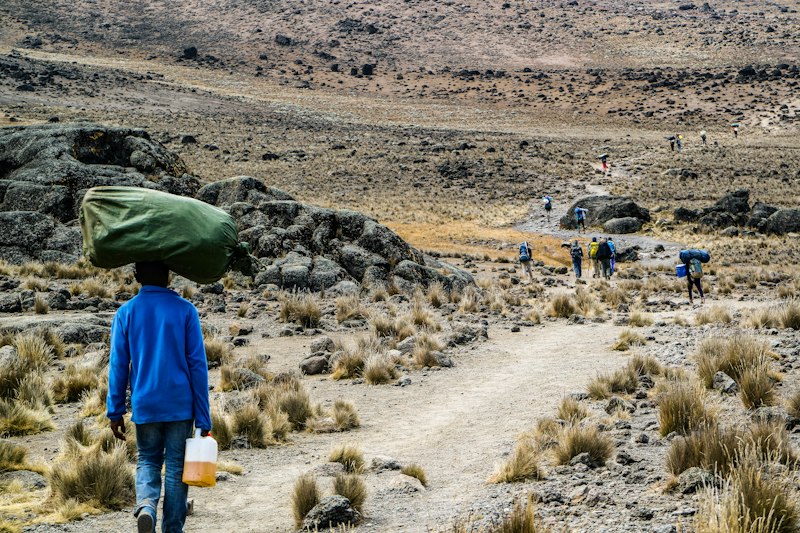
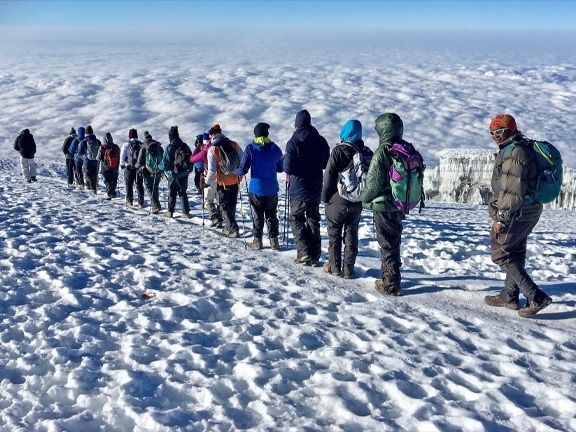
Roof of Africa — 5,895m
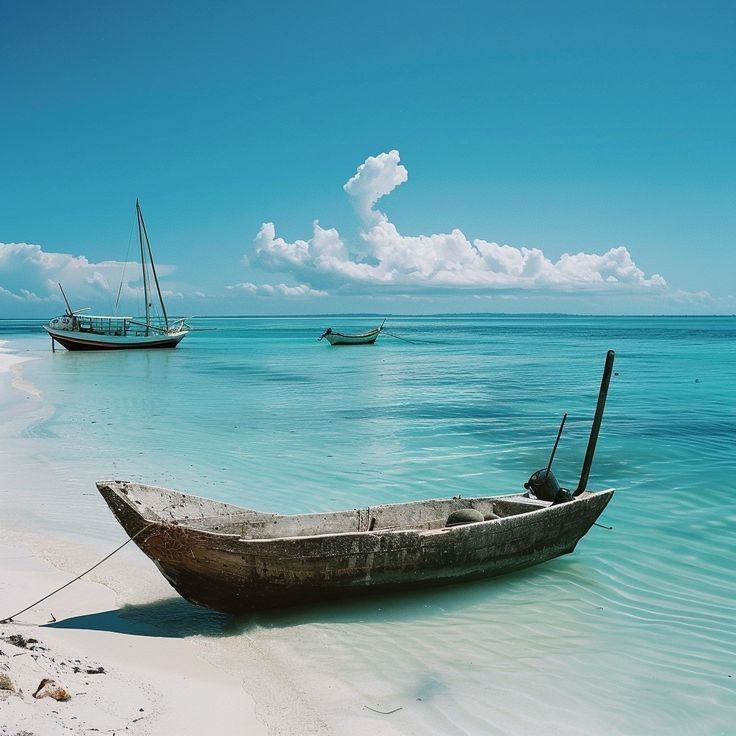
Zanzibar Islands, located in the Indian Ocean, are one of Africa’s most iconic beach destinations. Known as the “Spice Islands,” Zanzibar is rich in history, culture, and natural beauty, offering a perfect escape after a wildlife safari in Tanzania. Visitors can explore the UNESCO World Heritage Site of Stone Town, relax on pristine beaches like Nungwi and Kendwa, or enjoy snorkeling, diving, and dhow sailing in crystal-clear waters. The islands are also famous for spice farms producing cloves, nutmeg, cinnamon, and vanilla. Whether you are seeking romance, adventure, or relaxation, Zanzibar offers an unforgettable island experience with warm hospitality and stunning ocean scenery.

Serval Wildlife Sanctuary is a conservation-focused wildlife center located in the Siha District of northern Tanzania, between Arusha and Mount Kilimanjaro. The sanctuary provides visitors with an opportunity to observe a variety of animals in a protected environment while learning about wildlife conservation, animal welfare, and habitat preservation. Unlike traditional national parks, where wildlife viewing often involves searching across large landscapes, the sanctuary offers closer viewing opportunities and educational experiences. Visitors may encounter animals such as serval cats, giraffes, zebras, elands, and various bird species while enjoying views of Mount Kilimanjaro and Mount Meru. The sanctuary is particularly suitable for families, photographers, and travelers interested in conservation and wildlife education, and it can easily be visited as a half-day or full-day excursion from Arusha or Moshi.
Use this guide to find your ideal travel window for each activity.
| Activity | Jan | Feb | Mar | Apr | May | Jun | Jul | Aug | Sep | Oct | Nov | Dec |
|---|---|---|---|---|---|---|---|---|---|---|---|---|
|
🦁 Wildlife Safari
Serengeti & Ngorongoro
|
||||||||||||
|
🦬 Great Migration
Serengeti crossing
|
||||||||||||
|
🏔️ Kilimanjaro Trek
Summit routes
|
||||||||||||
|
🏖️ Zanzibar Beach
Beaches & diving
|
||||||||||||
|
🐦 Birdwatching
All parks & reserves
|
||||||||||||
|
💰 Budget Safari
Green season value
|
Tell us your dream destination and travel dates. Our experts will craft a tailor-made itinerary — no obligation.