
Africa's Eden — A UNESCO World Heritage Caldera
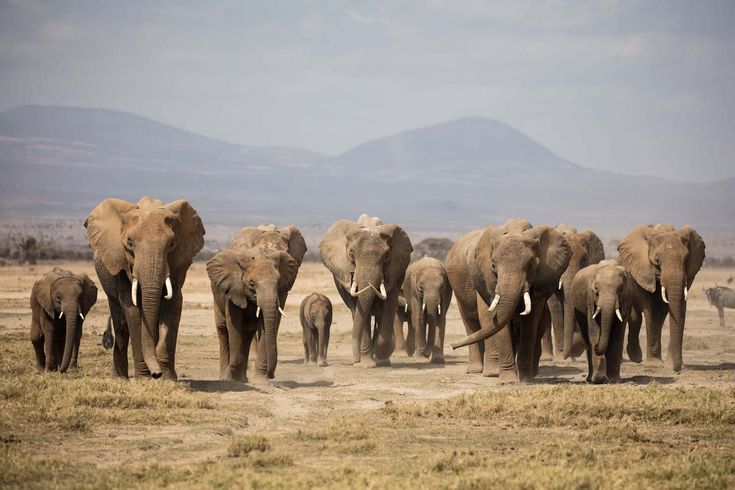
Ngorongoro Crater is the world's largest intact volcanic caldera — a 264 km² natural amphitheatre that shelters one of the densest concentrations of wildlife in Africa. Declared a UNESCO World Heritage Site in 1979, the crater's permanent water and grassland supports over 25,000 large animals year-round.
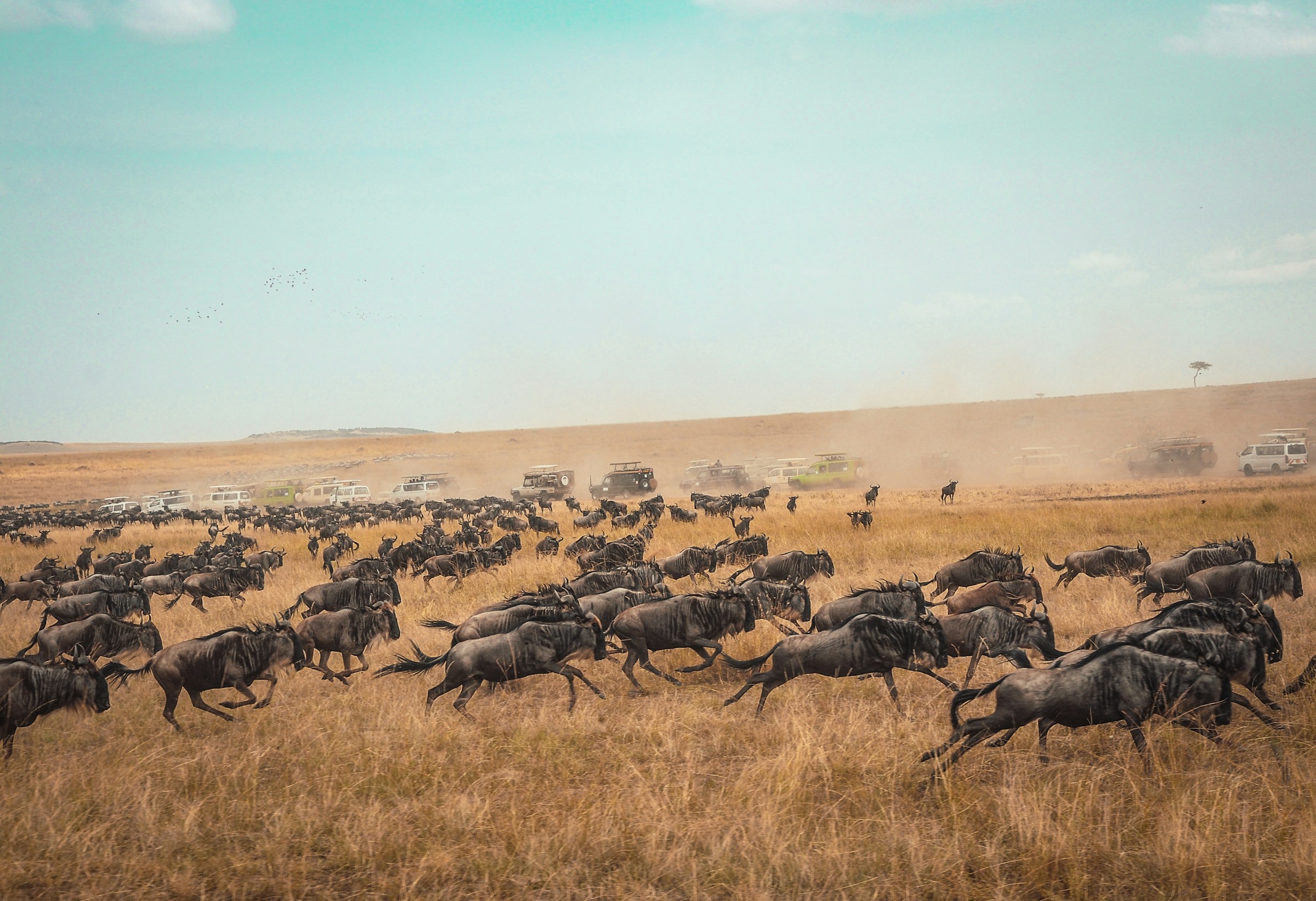
Formed when a massive volcano collapsed inward approximately 2-3 million years ago, Ngorongoro Crater is often described as Africa's Garden of Eden. The crater walls — rising 600 metres above the floor — create a microclimate that keeps the ecosystem perpetually green and productive. Unlike the Serengeti, wildlife here does not migrate; the resident population remains trapped within this natural paradise year-round. The crater hosts Tanzania's last stable population of black rhino, one of Africa's most critically endangered species, making Ngorongoro one of the best places on the continent for a rhino sighting.
Ngorongoro has Tanzania's best chance of seeing the critically endangered black rhino.
A soda lake that turns pink with flamingos — a stunning sight within the crater.
One of Africa's most significant protected areas and Eighth Wonder of the World.
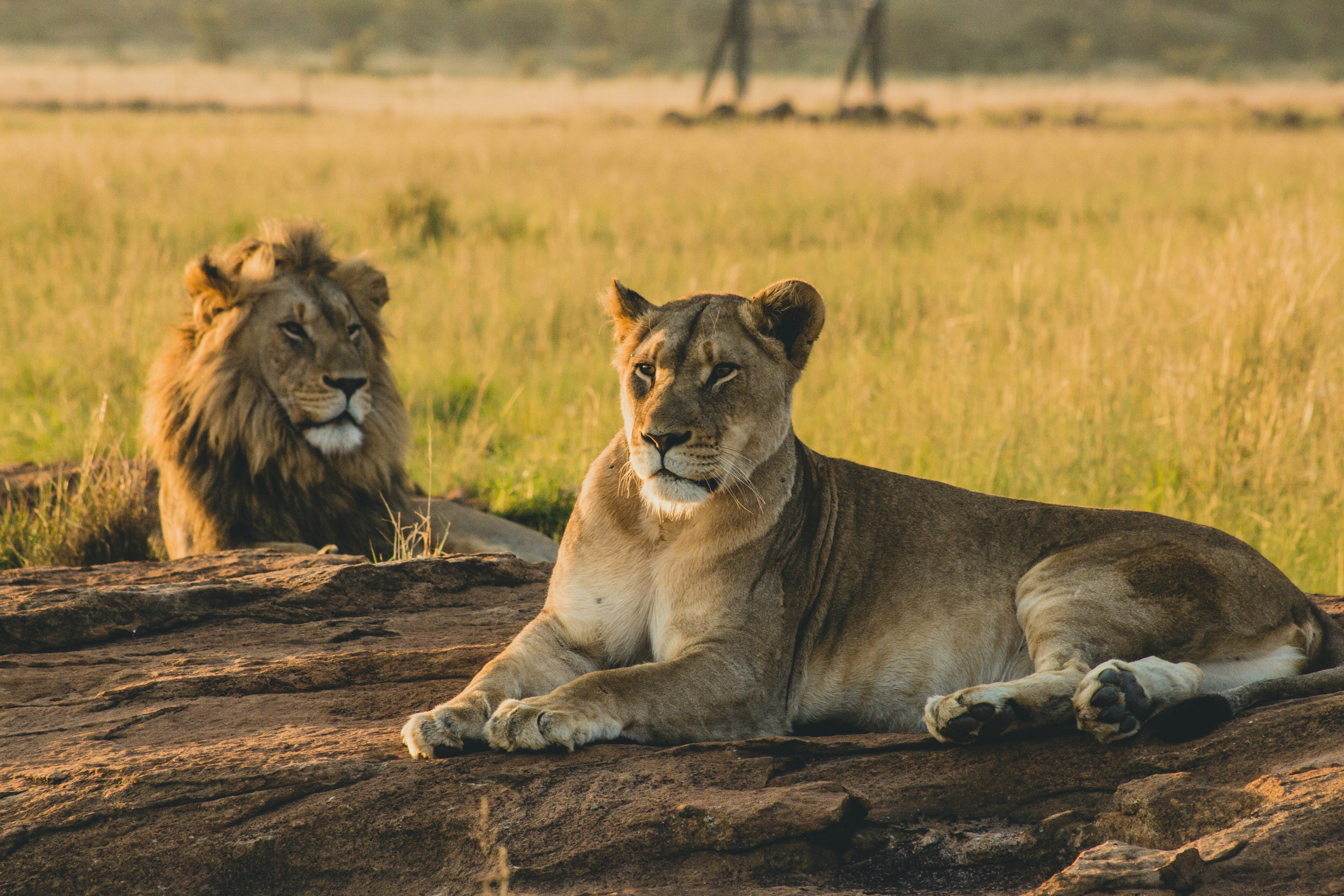
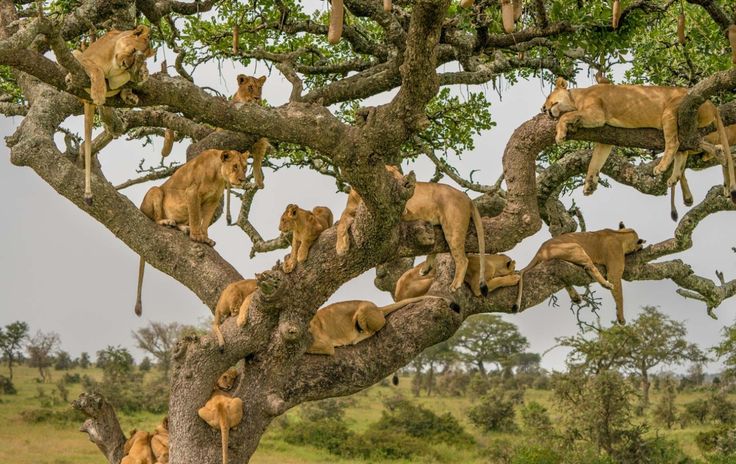
The crater's resident population ensures Big Five sightings year-round.
Stay on the rim for breathtaking sunrise views over the caldera — truly unforgettable.
The crater highlands are home to Maasai who coexist peacefully with wildlife.
Year-round destination. Dry season (Jun–Oct) offers best game viewing. Jan–Mar is excellent with green landscapes and newborn animals. Crater floor closed at night — day visits only.
Our experts are ready to design your perfect itinerary.
Book Safari WhatsApp UsLet our expert guides craft your perfect Ngorongoro Crater itinerary. Every detail handled, every moment extraordinary.